
"Phoenix AZ Latex Adjustable Bed Mattress"

Certified Organic GOLS Latex
Certified Organic Cotton & Wool
.jpg)
%20(1).png)
Classic Talalay Latex
Natural Talalay Latex
.jpg)


.gif)
Latex Mattresses in Phoenix AZ

.jpg)
THE ULTIMATE
3 LAYERS
3 ZIPPERS
3 CHAMBERS
3 ORGANIC SOCKS
Hand-Made
One-At-A-Time
Available:
Classic Talalay
Natural Talalay
Certified Organic
Firmness:
Soft
Regular Firm
Extra Firm
Ultra Firm
.jpg)
.jpg)
Each Layer Hand-Wrapped
In Its Own Certified Organic Sock
2" Latex Top and Bottom
6" Latex Core Inside
(4) Four Firmnesses:
Soft
Regular Firm
Extra Firm
Ultra Firm
1035 E. Camelback Rd.
Phoenix
800-477-0248

Burbank
800-233-7382
1035 E.
Camelback Rd., Phoenix
GET A FREE QUOTE: 800-477-0248
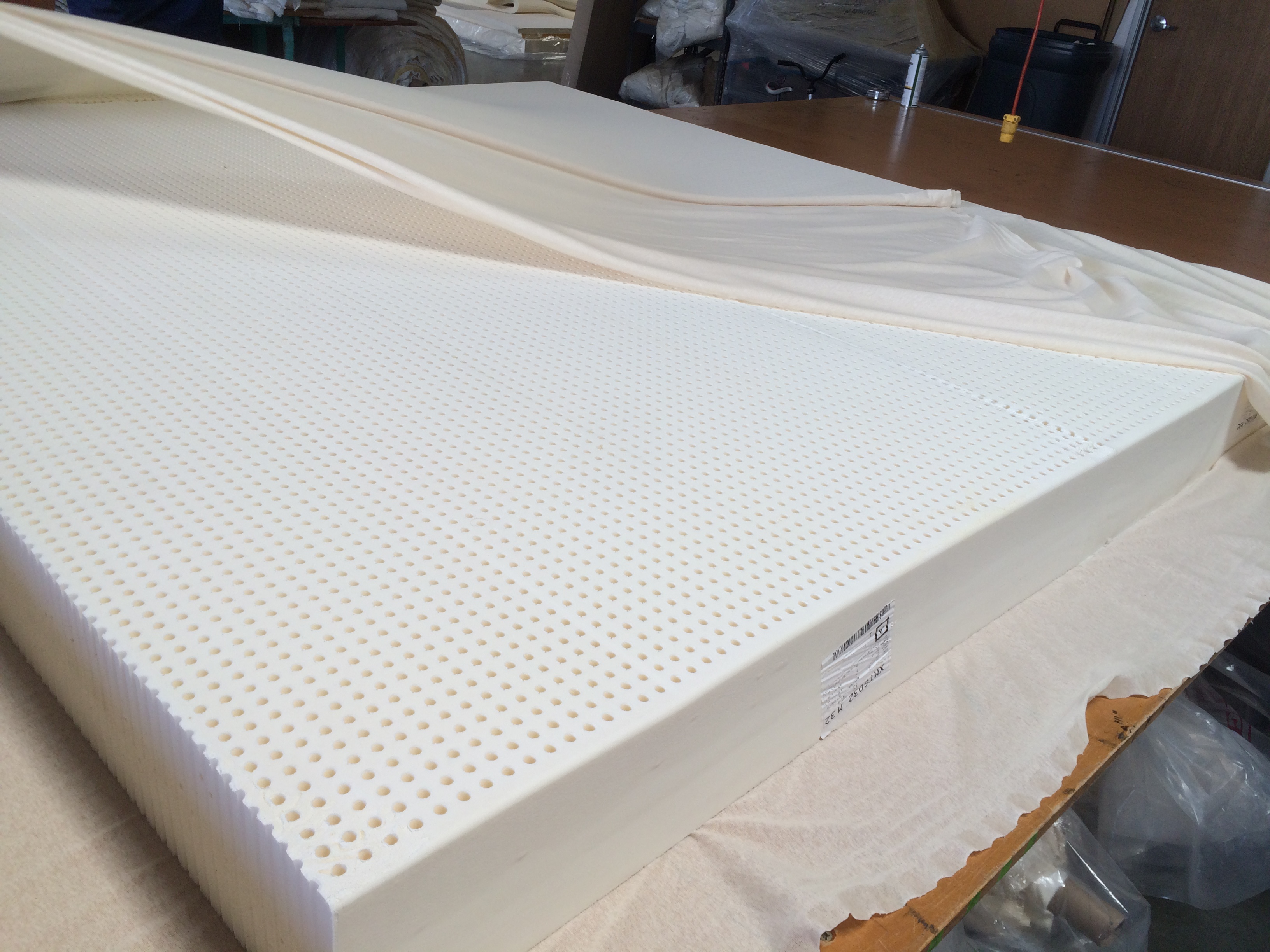
The 7" Latex Mattress has a 6"
Talalay Latex Foam Core, 1/2" quilting on both sides.
Completely reversible, quilted on both sides, handles, and is
available in Soft, Regular Firm, Extra Firm and Ultra Firm. 20
Year Warranty.
The 9" High Profile Latex Mattress has a 6" Talalay Latex Foam Core, surrounded on both sides with 1" Softer Latex Foam, and 1/2" quilting on both sides. Completely reversible, quilted on both sides, handles, and is available in Soft, Regular Firm, Extra Firm and Ultra Firm. 20 Year Warranty.
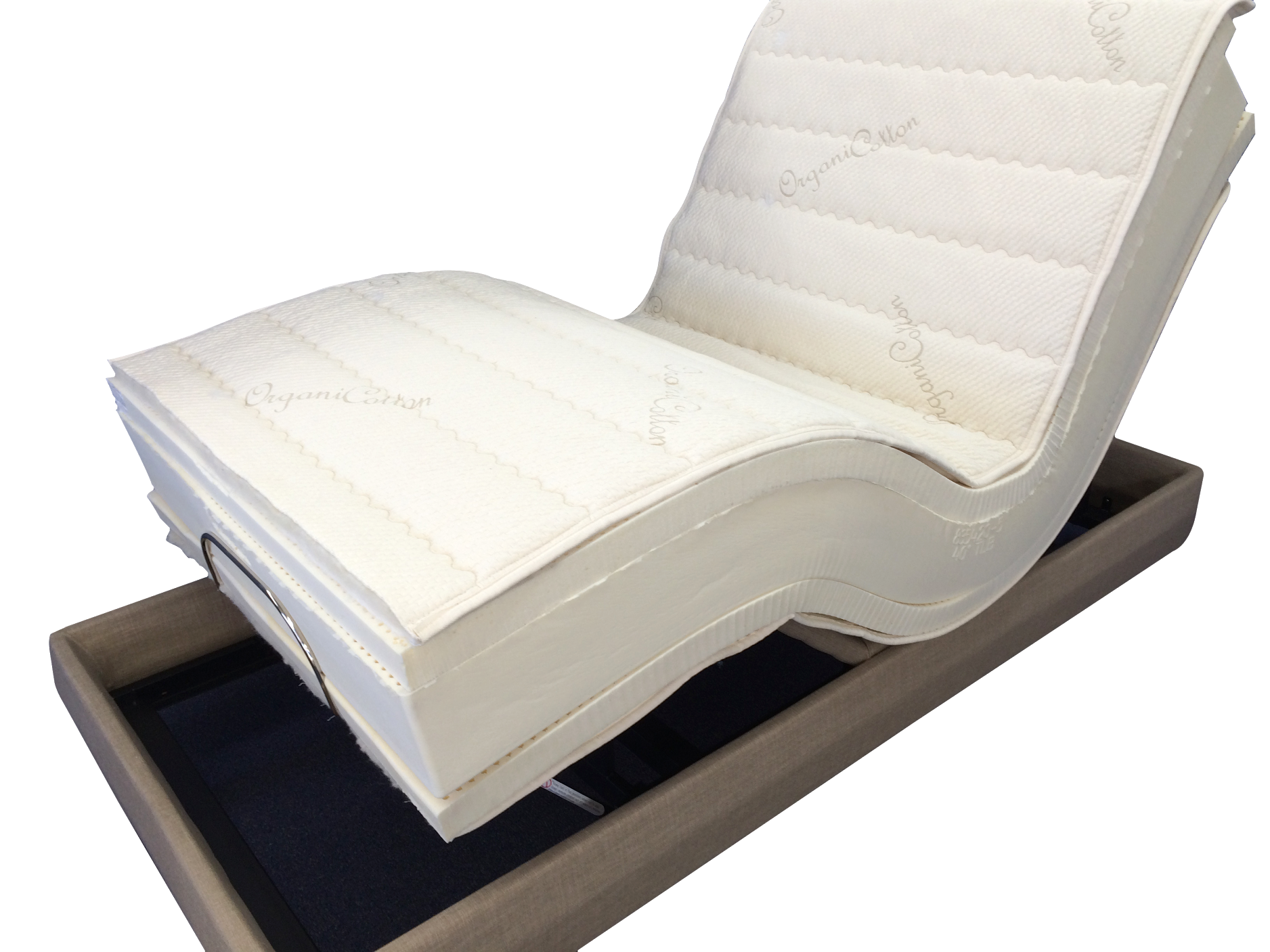
The 11" THE ULTIMATE Latex Mattress has a 6" Talalay Latex Foam Core, surrounded on both sides with 2" Softer Latex Foam, and 1/2" natural and organic quilting on both sides. 3-Zippers, 3-Layers, 3-Chambers and 3-Organic Cotton Socks. Completely reversible, quilted on both sides, handles, and is available in Soft, Regular Firm, Extra Firm and Ultra Firm. 20 Year Warranty.
Available in the 7", 9" High Profile Latex Mattress and the 11" THE ULTIMATE. 20-Year Warranty. Completely Reversible and Quilted on Both Sides. Available in Soft, Regular Firm, Extra Firm and Ultra Firm.
Available in the 7", 9" High Profile and the 11" THE ULTIMATE Latex Mattress. 20-Year Warranty. Completely Reversible and Quilted on Both Sides. Available in Soft, Regular Firm, Extra Firm and Ultra Firm.
-
Latex Mattress Hybrid Perfect Firmness and Orthopedic Firm:
12" Innerspring and Latex Mattress with 6" Pocketed Coils Inside, surrounded on both sides with 3" Dunlop Certified Organic GOLS Latex Foam. Completely reversible and quilted on both sides with Certified Organic GOT Cotton and Wool. 20-Year Warranty.
%20(1).jpg)
PHOENIX LATEX MATTRESS HEADQUARTERS